
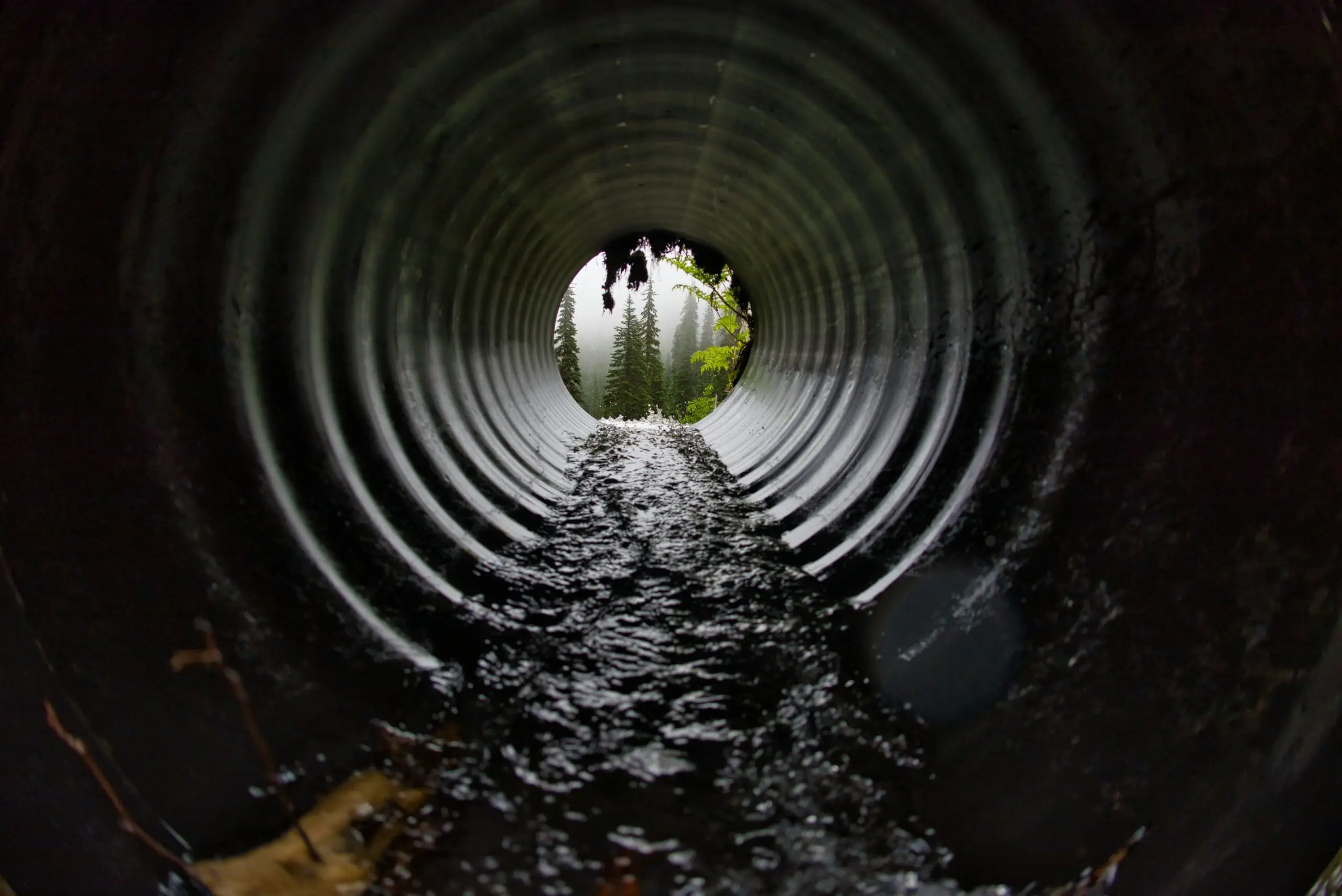

Sewer Camera Inspection: What It Reveals About Your Pipes
When plumbing problems happen underground, guessing isn’t good enough. Sewer lines are buried beneath your yard, foundation, and landscaping, making it impossible to visually assess damage without specialized equipment. That’s where sewer camera inspections come in.
In Westchester County — where aging sewer lines, tree root intrusion, and freeze-thaw soil movement are common — sewer camera inspections are one of the most valuable diagnostic tools available to homeowners.
Bruni & Campisi, Inc. has proudly served Westchester County since 1979, providing trusted heating, cooling, plumbing, and electrical services. With advanced camera technology and decades of experience working with older New York homes, the Bruni & Campisi team helps homeowners identify hidden sewer problems accurately and efficiently.
If you’re experiencing recurring drain clogs, sewage odors, or slow drainage throughout your home, a sewer camera inspection may provide the answers you need.
What Is a Sewer Camera Inspection?
A sewer camera inspection is a non-invasive diagnostic process that allows licensed plumbers to see inside your sewer line in real time.
Using a waterproof, high-resolution camera attached to a flexible cable, technicians insert the device into the sewer line through an accessible cleanout or drain opening. The camera transmits live video footage to a monitor, revealing the pipe’s condition from the inside.
This technology eliminates guesswork and prevents unnecessary digging.
If you’re unsure whether your sewer line is damaged, schedule an inspection with Bruni & Campisi to get clear answers before committing to repairs.
Why Are Sewer Camera Inspections Important in Westchester County?
Westchester homes face unique plumbing challenges.
Aging Infrastructure
Many homes in White Plains, Scarsdale, Yonkers, Rye, and surrounding communities were built decades ago using clay, cast iron, or Orangeburg sewer pipes. These materials deteriorate over time.
Mature Tree Growth
Tree-lined streets throughout Westchester contribute to root intrusion. Roots can enter small cracks and grow inside pipes, creating blockages.
Freeze-Thaw Cycles
Harsh New York winters cause soil expansion and contraction, placing stress on underground pipes.
Because sewer problems are often invisible from the surface, camera inspections are the safest and most accurate way to evaluate pipe health.
What Problems Can a Sewer Camera Reveal?
A sewer camera inspection can uncover a wide range of issues.
1. Tree Root Intrusion
Roots appear as fibrous growth inside the pipe. Early detection allows for targeted removal before structural collapse occurs.
2. Pipe Cracks or Fractures
Small cracks can expand over time due to soil pressure and water flow. Identifying them early allows for spot repairs.
3. Corrosion and Scaling
Cast iron pipes corrode internally, narrowing pipe diameter and restricting flow.
4. Pipe Misalignment
Ground settling or shifting soil can cause pipe sections to separate.
5. Collapsed Sections
Severe damage may show partial or full collapse of the pipe.
6. Blockages and Debris Buildup
Grease, sludge, or foreign objects may be visible within the line.
If you’re noticing repeated drain issues, a camera inspection from Bruni & Campisi can pinpoint the root cause.
When Should Homeowners Schedule a Sewer Camera Inspection?
Several scenarios make inspections especially valuable.
Recurring Drain Clogs
If multiple drains clog repeatedly, the problem may be in the main sewer line rather than individual fixtures.
Sewage Backups
Backups into tubs or basement drains are serious warning signs.
Foul Odors
Persistent sewer smells may indicate cracks or blockages.
Home Purchase or Sale
Many Westchester homebuyers request sewer inspections before closing. A camera inspection can reveal hidden defects and prevent costly surprises.
Older Homes
If your home is more than 40–50 years old and has never had a sewer evaluation, proactive inspection is wise.
Contact Bruni & Campisi to schedule a professional sewer camera inspection if you’re experiencing any of these conditions.
How the Sewer Camera Inspection Process Works
Understanding the process helps homeowners feel comfortable and informed.
Step 1: Accessing the Line
Technicians locate a cleanout or access point.
Step 2: Inserting the Camera
The flexible cable is fed into the sewer line.
Step 3: Live Video Review
Footage is displayed in real time. Technicians observe:
- Pipe material
- Structural integrity
- Obstructions
- Root growth
- Joint connections
Step 4: Identifying Problem Areas
Distance markers on the cable indicate the exact location of damage.
Step 5: Discussing Findings
Homeowners receive a clear explanation of results and recommended next steps.
This structured approach ensures accurate diagnosis and avoids unnecessary excavation.
Repair vs. Replacement: How Inspections Guide Decisions
Camera inspections help determine whether repair or full replacement is needed.
Repair May Be Appropriate If:
- Damage is localized
- Root intrusion is minimal
- Pipe structure remains intact
Replacement May Be Recommended If:
- Corrosion is widespread
- Multiple fractures exist
- Pipe collapse is visible
- Material has reached end-of-life
With visual confirmation, homeowners can make informed decisions confidently.
How Sewer Inspections Save Money
While some homeowners hesitate to schedule inspections, proactive diagnostics often prevent larger expenses.
Benefits include:
- Avoiding emergency excavation
- Preventing foundation damage
- Catching small cracks before collapse
- Reducing repeated drain cleaning costs
In Westchester County, where property values are high, preventive maintenance protects long-term investment.
If you suspect sewer issues, schedule an inspection with Bruni & Campisi before minor symptoms escalate.
How Sewer Inspections Protect Whole-Home Systems
Sewer problems can affect more than plumbing.
Backups and leaks may impact:
- HVAC systems located in basements
- Electrical panels
- Water heaters
- Indoor air quality
Because Bruni & Campisi provides comprehensive plumbing, heating, cooling, and electrical services, homeowners benefit from coordinated system protection.
How Often Should Sewer Lines Be Inspected?
For older homes, inspections every 2–3 years may be beneficial.
Homes with large trees near sewer lines may require more frequent monitoring.
If you’ve recently experienced:
- Severe winter freezing
- Major storms
- Landscaping changes
an inspection may provide peace of mind.
Are Sewer Camera Inspections Disruptive?
No. Camera inspections are minimally invasive and do not require excavation.
Accessing the sewer line typically involves existing cleanouts. The process is efficient and designed to minimize disruption.
Most inspections can be completed within a few hours.
Frequently Asked Questions About Sewer Camera Inspections
Can a camera inspection damage my pipes?
No. Equipment is designed for safe navigation inside sewer lines.
Will I receive a recording of the inspection?
Many inspections allow footage documentation for homeowner reference.
Is inspection necessary if drains seem fine?
In older homes, proactive inspection can prevent surprise failures.
Does insurance cover inspections?
Coverage depends on policy specifics.
Get Clear Answers About Your Sewer Line
Sewer problems hidden underground can quickly turn into major repairs if left undetected. In Westchester County — where aging infrastructure, tree roots, and seasonal weather shifts create ongoing risk — sewer camera inspections offer clarity, precision, and peace of mind.
For over 40 years, Bruni & Campisi has delivered dependable plumbing solutions throughout New York and Connecticut. If you need a sewer camera inspection in Westchester County, call Bruni & Campisi today for trusted, professional service.

MEMBERSHIPS
Bruni & Campisi offers a complete maintenance program for all your needs.
VIEW MEMBERSHIPSWhat Our Customers Say About Us
Manny came to my home to find a leak in my gas pipe. He found it within the first 10 minutes and had the pipe apart and back together in no time! While working he explained everything he was doing and why. He was incredibly professional the whole time. He is invited back any time!
Show More
Andrew Ricci
Hunter came out today after we had a sewer backup. He was very knowledgeable, thorough, and professional. He explained every step of the process and showed us what he was seeing on his camera. I would highly recommend them and will definitely be using their services in the future!
Show More
Matthew Lubera
This was my first time using the company, and I had a great experience with Glen. He came out to clear a badly clogged kitchen sink and was incredibly professional, knowledgeable, and thorough. He took the time to make sure everything was completely cleared and working properly, and he was extremely clean and careful throughout the process. What I especially appreciated was that Glen went above and beyond the actual repair — he even took the time to clean out the debris underneath my sink before he left, which I certainly wasn’t expecting! He was friendly, respectful of my home, and clearly takes pride in his work. I would absolutely request Glen again and highly recommend him to anyone needing a plumber.
Show More
Jessica Wren
Double header! First, John gave my home a top-notch thorough plumbing inspection and found some problems plumbers never unearthed over the last 20 years that were the root of other problems. Great job. Then Daniel B. and D'Vante cleaned the ducts and were a great team, making sure they got to ever nook and cranny. High five!
Show More
Jane O'Reilly
Second visit from Bruni & Campisi after the water heater broke down. Jason Rees was phenomenal: he explained very well what happened with the heater, he drained it completely so it wouldn’t leaked anymore (which kept happening after water was shut off), contacted the manufacturer since the heater was under warranty, and soon we should be getting the new one installed. Thanks a lot Jason!
Show More
Augusto Gallipoli
John O did great on my plumbing inspection the other day. He was very knowledgeable and helpful!
Show More
John Thompson
John Orlando did an inspection of existing plumbing. He was courteous and thorough. He explained everything well and helped me to prioritize the work to be done. 😁😁😁
Show More
Carolynn Sears
They replaced out hot water heater, which was behind some pipes and the AC system. A big job, and it took them all day, but the work was perfect and even the small touches were professionally done.
Show More
Jay P
Glenn was great to work with. He was professional, knowledgeable, patient, and very thorough in diagnosing the plumbing issue. He took the time to perform multiple tests, explain what he was doing, and walk me through the possible causes and next steps. I especially appreciated that he didn’t rush the appointment and made sure we had a better understanding of the issue before recommending any major work. Great customer service and a very positive experience with Glenn and Bruni & Campisi. Highly recommend!
Show More
RayEzyReacts
I was very impressed with Glen. He explained everything that was involved with the problems I’ve been having and he did it in a way that I understood everything. he was knowledgeable, professional, and obviously sounded very experienced. I’m going to ask the company to send Glen to me from now on whenever I need plumbing work and I am a long-term customer. I’ve been with Bruni and campisi for 13 years so he’s the best.
Show More
Y A
Called the company to replace existing toilet and was sold a replacement which would be installed at later date. Looked up the cost of the toilet online and we were definitely overcharged but figured it might be worth it for the time saved and convenience. 2 weeks went by and I heard nothing. Called the company 2 times and got an AI robot telling me “someone would get back to me” which didn’t happen. I finally got a hold of a human who scheduled the job for the next day. The service technicians went above and beyond to make sure the job was done properly and apologized for the delay and miscommunication. We even received a small discount on the original price of the job.
Show More
J B
Glen came into flush our hot water tank. He was knowledgeable, courteous and shared his years of experience with the homeowners. If we have any plumbing needs in the future we will specifically request Glen. His “bed-side” manner if you will was impressive and impeccable. He was also efficient. Thank you Glen we appreciate the top notch service.
Show More
Nicole Woodall
Excellent work. Cleaned a sump pump quickly and efficiently. Explained how to maintain understandably. Respectful and conscientious. Will recommend to friends.
Show More
Sarah Lorenzini
Just had Bruni & Campisi provide me with a quote to perform the installation of a new toilet in my daughter’s apartment. The plumber that was sent to inspect and consider the scope of work was Glen, and he was knowledgeable, efficient and reasonably priced for plumbing work. Glen and Bruni & Campisi are professionals that I definitely recommend if you have any plumbing needs.
Show More
Lisa Reaves
Yesterday we had our water heater installed buy your technician Miguel. he was patient and answered questions I had regarding the process. when finished he showed me we're all in necessary pieces that we needed to know were located. He cleaned up any mess he made. My husband and I are very happy with the service we received, by both technicians. Al who first came to look at the old water heater. He explained exactly what needed to be done. and Miguel who came to the installation. We highly recommend Bruni & Campsi. They provide top notch. service.
Show More
jodi DeLuca
