
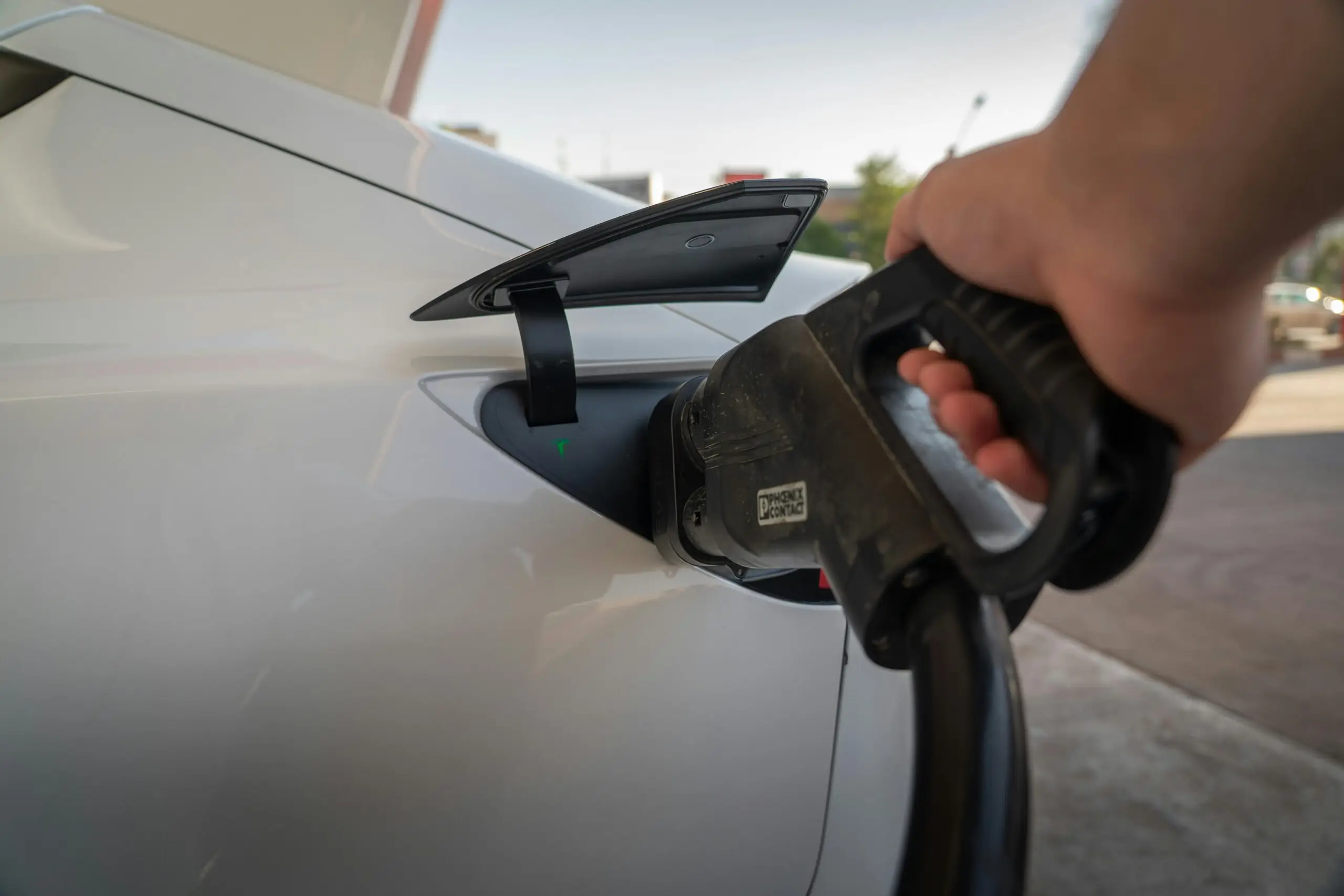

The Complete Guide to Installing an EV Charger in Your Garage
As more homeowners invest in EVs, the need for safe, convenient home charging has grown quickly. Bruni & Campisi, Inc. provides professional EV charger installation to help local families charge faster, reduce reliance on public stations, and ensure their home’s electrical system can support modern demands. Whether you’re planning to buy your first electric car or updating your garage to improve charging speed, understanding the installation process is essential.
A home charger offers convenience, faster charge times, and long-term savings. But because many older homes in New York and Connecticut have limited electrical capacity, proper planning and professional installation are key to ensuring your new EV charger performs safely and reliably. This guide explains what homeowners should know before installing an EV charger in their garage.
Why Install an EV Charger at Home?
Charging your EV at home is the most efficient and reliable option for daily driving. Instead of searching for available public charging stations or waiting for your vehicle to finish charging elsewhere, a home charger allows you to plug in at night and wake up with a full battery each morning. Level 2 chargers, the preferred choice for most homeowners, offer significantly faster charging speeds than the standard Level 1 chargers that come with new vehicles.
Home charging also helps avoid the higher costs often associated with public fast chargers. Utility companies in Westchester, Rockland, and Fairfield Counties frequently offer off-peak electricity rates, which means you can further reduce charging costs simply by scheduling your EV to charge overnight.
Understanding the Types of EV Chargers
A key part of the installation process is choosing the charger that best fits your home and driving needs.
Level 1 Chargers
Level 1 chargers use a standard 120-volt household outlet. They require no additional electrical work but charge slowly—often taking 12 to 24 hours to deliver a full charge. While suitable for low-mileage driving, Level 1 chargers are not ideal for daily commuters or multi-driver households.
Level 2 Chargers
Level 2 chargers require a 240-volt outlet and a dedicated circuit. They reduce charging time significantly, making them the preferred option for most homeowners. Depending on the model, a Level 2 charger can fully charge many EVs in four to eight hours.
Benefits include:
- Faster charging
- Increased convenience
- Compatibility with most EV models
- Options for smart features such as Wi-Fi monitoring
Smart EV Chargers
Smart chargers offer more control over your charging schedule and provide real-time usage data, making them ideal for homeowners who want to optimize energy consumption. Features may include:
- Remote monitoring
- Charge scheduling
- Integration with time-of-use utility rates
- Notifications and diagnostics
A licensed electrician can help determine which charger best fits your home’s electrical system and your driving habits.
Electrical Capacity: The Most Important Consideration
Before installing a Level 2 charger, your home’s electrical capacity must be evaluated. Homes built before the early 2000s often have electrical panels rated at 100 amps, which may not support the additional 30–60 amps required for a dedicated EV charger circuit.
Signs that a panel upgrade may be necessary include:
- Frequent breaker trips
- Dimming lights when appliances run
- Limited available breaker space
- An older or outdated electrical panel
Many homes in Westchester and Fairfield Counties were built decades ago and may not have been updated to support today’s technology-heavy lifestyles. Bruni & Campisi’s licensed electricians can assess your panel and determine whether an upgrade is required.
Panel upgrades not only support EV chargers but also improve overall electrical safety, provide capacity for future appliances, and help accommodate home improvements such as HVAC upgrades or whole-home generators.
The EV Charger Installation Process
Installing an EV charger involves several steps to ensure safety, efficiency, and compliance with local electrical codes.
1. Home Evaluation and Electrical Load Calculation
A licensed electrician examines the existing electrical panel, wiring system, and grounding to confirm that your home can safely accommodate a charger. This evaluation helps determine whether a new circuit or panel upgrade is required.
2. Charger Selection and Placement
After determining electrical capacity, the next step is choosing the charger and selecting the best installation location. Most chargers are mounted on a garage wall near where the vehicle is parked. Important considerations include:
- Distance to the electrical panel
- Cable length
- Weather protection (for outdoor installations)
- Future plans for multiple EVs
3. Installing a Dedicated 240-Volt Circuit
Level 2 chargers must be connected to a dedicated circuit to prevent overloads. Bruni & Campisi installs the appropriate wiring, breaker, and outlet (if the charger requires one) or hardwires the unit, depending on manufacturer specifications.
4. Connecting and Testing the Charger
The electrician mounts the charger, makes all necessary connections, and tests the system for safe operation. This includes verifying grounding, load balance, and proper voltage.
5. Permitting and Code Compliance
Local municipalities across Westchester, Rockland, and Fairfield Counties require permits for EV charger installations, particularly if panel upgrades are involved. Bruni & Campisi manages the permitting process to ensure compliance and simplify the experience for homeowners.
6. Final Inspection
After installation is complete, a formal inspection may be required to verify compliance with National Electrical Code standards and local regulations.
Why Location Matters
The charger’s location impacts both convenience and electrical efficiency. Ideally, the unit should be:
- Close to your parking spot
- Near the electrical panel to reduce wiring distance
- Mounted in a protected area, particularly if placed outdoors
- Positioned to allow future expansion, such as adding a second charger
In some garages, upgrades to lighting or outlet placement may also improve everyday use, creating a more functional charging environment.
Installation Costs and What Influences Them
Several factors affect the cost of installing a home EV charger:
- Type of charger selected
- Need for a dedicated circuit
- Electrical panel condition
- Wiring distance from panel to charger
- Need for trenching or outdoor conduit
- Local permitting requirements
Homes with outdated wiring or insufficient electrical capacity may require additional upgrades to meet safety standards. Although these improvements add to the upfront cost, they offer long-term benefits by enhancing your home’s overall electrical reliability.
EV Chargers and Home Generators: What to Know
If your home has a standby generator or you’re considering one, proper integration with your EV charger is essential. Improper wiring can overload the generator or cause unsafe conditions during outages.
Bruni & Campisi ensures:
- Correct transfer switch configuration
- Safe load management
- Proper grounding and surge protection
- Compatibility between the charger and generator
This is especially important in areas with frequent storm-related outages, such as throughout Westchester and Fairfield Counties.
Pairing EV Chargers with Whole-Home Surge Protection
EV chargers contain sensitive electronic components that can be damaged by voltage spikes. For homeowners with older electrical systems, surge protection is strongly recommended.
Installing a whole-home surge protector:
- Protects your EV charger
- Safeguards the rest of your home’s electrical equipment
- Reduces the risk of costly damage during storms
- Helps ensure stable and efficient charging
Because New York and Connecticut experience unpredictable weather, surge protection has become a practical addition to most EV charging installations.
Why Professional Installation Matters
Attempting to install an EV charger without proper training can lead to dangerous electrical faults, code violations, or damage to your vehicle’s charging equipment. Professional installation ensures:
- Correct load calculations
- Safe wiring practices
- Compliance with state and local codes
- Proper grounding and surge protection integration
- Long-term reliability and optimal charger performance
Bruni & Campisi’s licensed electricians bring decades of experience working with older homes, complex electrical systems, and modern EV charging technologies.
Trust Bruni & Campisi for Your EV Charger Installation
Since 1979, Bruni & Campisi, Inc. has provided reliable heating, cooling, plumbing, and electrical services across Westchester, Rockland, Putnam, Greenwich, and Fairfield Counties. Our electricians bring the expertise needed to upgrade electrical panels, install dedicated circuits, and integrate EV chargers safely into homes of all ages and sizes. We help homeowners choose the right charger, deliver code-compliant installation, and ensure every system is ready for the demands of modern living.
You can count on the Bruni & Campisi team for solutions that support your comfort, safety, and long-term electrical performance.
Get Started with Safe, Fast EV Charging at Home
If you’re ready to install a Level 2 charger in your garage, schedule a professional evaluation with Bruni & Campisi. We’ll review your electrical system, recommend the right charger, and provide a safe, efficient installation that meets local codes.
Enhance your home’s convenience and be ready for the road ahead. Book your EV charger installation with Bruni & Campisi and experience dependable service from a trusted local team.

MEMBERSHIPS
Bruni & Campisi offers a complete maintenance program for all your needs.
VIEW MEMBERSHIPSWhat Our Customers Say About Us
The crew was polite, respectful, friendly, efficient, protected the floors well, made practically no noise while installing the heavy equipment and overall did a great job.
Show More
Philip Tsai
I have known Tony Lalli for over 25 years . He is bright , personable and one of the best technicians . He is always spot on when there is an issue . I highly recommend him
Show More
rena ackerman
Derek is professional, courteous and knowledgeable. Excellent representative of your company. David Seal
Show More
David Seal
Steven Carpio was great. Was very informative and answered all the questions I had regarding what was going on with my HVAC system.
Show More
Jason Uris
The best, easiest, and most efficient company to work with
Show More
melissa foglia
Good job
Show More
Abraham Mathai
Great work! Steven came in and acknowledged what the issues might be immediately. Fixed the problem quickly and efficiently while explaining what he’s checking on the gauges. 5 stars all the way!
Show More
Ravi Gheewala
First time using Bruni’s electrical department-Fabricio arrived to fix a light switch. He also checked the electrc for entire house, made some recommendations, and replaced two defective outlets. Pleasant, very polite and easy to deal with.
Show More
K
Kudos to you Jacob, for being and doing an awesome job. Ivette it starts with you. You were patent and very good about timing. Thank you to the BOTH of you. I can’t wait to share your name with others.
Show More
Nilde Diefenbach
Derek provided excellent and expedient service installing my new thermostats
Show More
John Henry Herkert
They provided same day service to my home in Norwalk CT which I was pleasantly surprised about , the tech Michael Murphy was very knowledgeable and helpful . So far I’ve decided to join their membership program and scheduled them to come out to address so additional work , I’m hopeful further service is consistent with the initial visit .
Show More
Jason Martin
I’ve had three other oil companies come to this house before Tony and all told me I had to replace my boiler, he was the first person who said I didn’t have to replace my boiler! Great guy!
Show More
Adam Behar
Very impressed and very happy. Tommy was excellent.
Show More
Kitty Bronster
All service for my boiler was done professionally. The technician was on time, personable and knowledgeable explaining his evaluation, assessment and plan of repair and maintenance service. I highly recommend Bruni & Campisi HVAC.
Show More
Deborah Michaels
Godfrey Okeme serviced our AC unit and was friendly, knowledgable and thorough.
Show More
Geoff Harrison
