
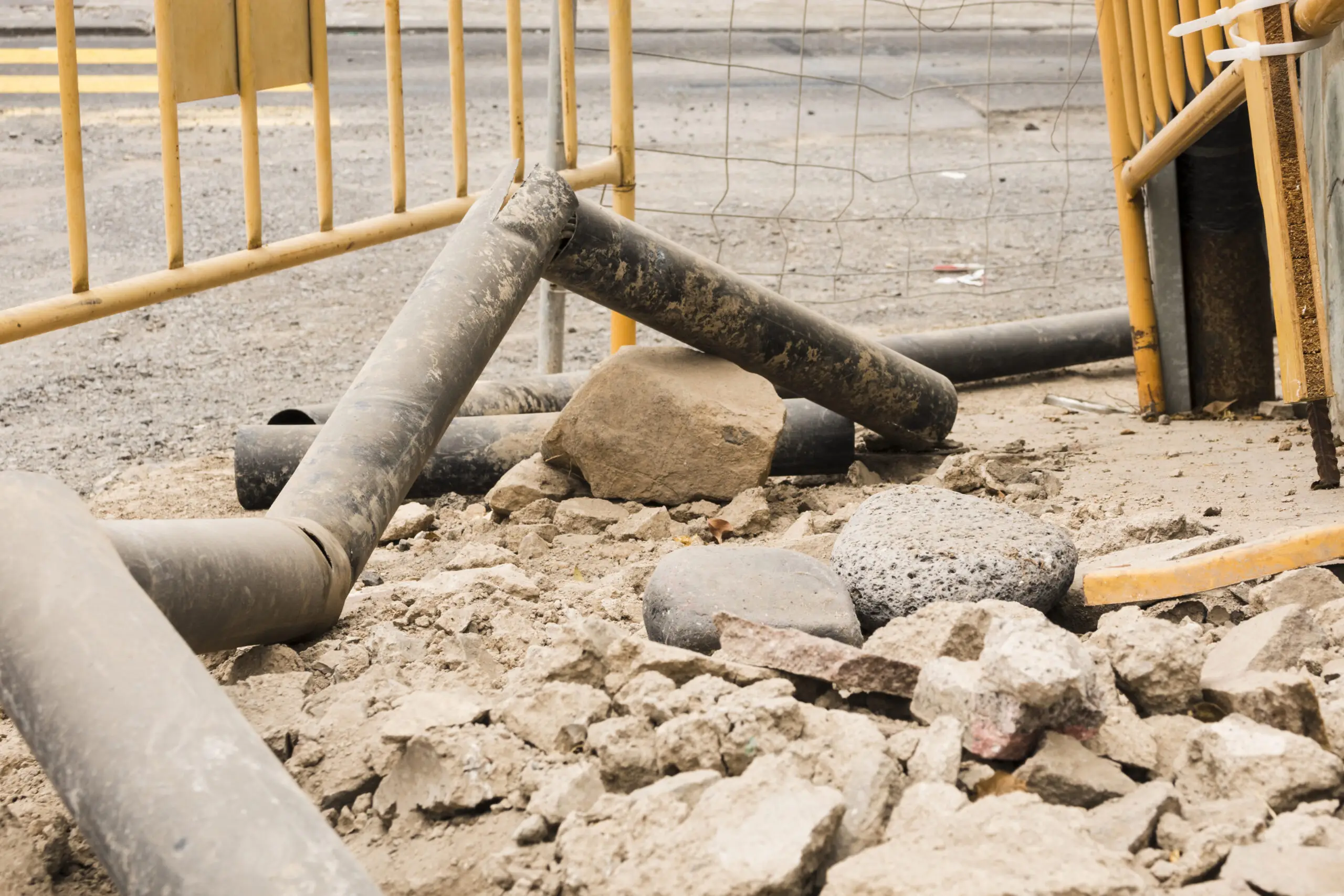

When a sewer or underground plumbing line fails, many homeowners picture one thing: a torn-up yard, a long repair timeline, and a major disruption to daily life. Fortunately, trenchless plumbing technology has made it possible to repair or replace many damaged pipes with far less digging than traditional excavation.
Bruni & Campisi, Inc. has served homeowners across New York and Connecticut since 1979 with trusted plumbing, heating, cooling, and electrical services. For homeowners in Westchester, Putnam, Rockland, Greenwich, and Fairfield County, trenchless pipe repair can be especially valuable because many properties have mature landscaping, older underground utilities, and established hardscaping that homeowners want to protect.
Two of the most common trenchless methods are pipe bursting and pipe lining. Both can solve serious underground pipe problems, but they work in different ways and are best suited for different situations.
What Is Trenchless Pipe Repair?
Trenchless pipe repair is a plumbing method that allows technicians to repair or replace underground pipes without digging a long trench across the property. Instead of excavating the entire pipe line, technicians typically create small access points and use specialized equipment to restore the damaged pipe from within or replace it underground.
This approach can be helpful for sewer lines, drain lines, and other buried plumbing systems. In many Westchester and Fairfield County homes, underground plumbing may run beneath lawns, driveways, patios, walkways, gardens, or mature trees. Trenchless methods help limit disruption to those areas.
Homeowners often consider trenchless repair when they’re dealing with:
- Recurring sewer backups
- Slow drains throughout the home
- Cracked or collapsed underground pipes
- Root intrusion
- Aging clay, cast iron, or older sewer materials
- Pipe corrosion or deterioration
- Drain line failures beneath landscaping or pavement
The right repair method depends on the pipe’s condition, material, location, and the type of damage present.
What Is Pipe Bursting?
Pipe bursting is a trenchless replacement method. Instead of repairing the existing pipe, technicians break apart the old pipe underground while pulling a new pipe into place behind it.
The process typically involves inserting a bursting head into the damaged pipe. As the head moves through the line, it fractures the old pipe outward into the surrounding soil. At the same time, a new pipe is pulled through the same path, creating a replacement line where the old one used to be.
Pipe bursting is often used when the existing pipe is too damaged to repair from the inside. If a pipe is badly cracked, offset, partially collapsed, or made from outdated material, replacement may be the better long-term solution.
When Is Pipe Bursting the Better Choice?
Pipe bursting may be the better option when the existing pipe has major structural damage. If the line is no longer stable enough to support a liner, replacement can provide a stronger and more reliable result.
This method may be recommended when:
- The pipe has collapsed sections
- The existing pipe is severely cracked or broken
- Tree roots have caused major structural damage
- The pipe has repeated failures in multiple areas
- The homeowner wants a full replacement without open-trench excavation
- The pipe needs to be upsized for better flow, when conditions allow
For older homes in Westchester County, Rockland County, and Fairfield County, pipe bursting may be useful when aging underground lines have reached the end of their service life. Many older homes were built with materials that can deteriorate over time, especially after decades of soil movement, freezing winters, and heavy seasonal rain.
What Is Pipe Lining?
Pipe lining, often called cured-in-place pipe lining, repairs the inside of an existing pipe. Instead of removing or breaking the old pipe, technicians install a flexible liner coated with resin inside the damaged line. Once the liner is positioned, it cures and hardens, creating a new pipe-like surface within the old pipe.
This method is best for pipes that still have enough structural integrity to serve as a host for the liner. The old pipe remains in place, but the new interior lining seals cracks, small gaps, and areas of deterioration
Pipe lining can be an effective solution for homeowners who have leaks, root intrusion, corrosion, or minor cracking but do not need a full pipe replacement.
When Is Pipe Lining the Better Choice?
Pipe lining may be the better option when the pipe is damaged but not destroyed. If the pipe is still mostly intact, lining can restore function while minimizing property disruption.
Pipe lining may be recommended when:
- The pipe has minor to moderate cracks
- Roots have entered through joints but the pipe has not collapsed
- The pipe has small leaks
- Corrosion has affected the pipe interior
- The homeowner wants a less invasive repair
- The pipe path runs beneath landscaping, pavement, or finished outdoor spaces
For many homes in southern New York and western Connecticut, pipe lining can be a practical choice because it preserves the existing pipe path while creating a smoother, more reliable interior surface.
Pipe Bursting vs. Pipe Lining: What’s the Main Difference?
The biggest difference is that pipe bursting replaces the pipe, while pipe lining repairs the pipe from the inside.
Pipe bursting destroys the old pipe and pulls in a new one. Pipe lining leaves the old pipe in place and creates a new interior wall. Both are trenchless, but they solve different types of plumbing problems
Here’s a simple comparison:
- Pipe bursting: Best for severely damaged or failing pipes that need replacement
- Pipe lining: Best for pipes that are damaged but still structurally sound
- Pipe bursting: May allow for full pipe replacement with limited digging
- Pipe lining: Usually involves even less disruption when the pipe is a good candidate
- Pipe bursting: Often better for collapsed, badly cracked, or outdated lines
- Pipe lining: Often better for cracks, leaks, corrosion, and root intrusion in stable pipes
A professional inspection is the best way to determine which method fits your home.
Need fast plumbing help? Contact the Bruni & Campisi team to schedule your service.
How Do Technicians Decide Which Method You Need?
Before recommending pipe bursting or pipe lining, a plumbing professional typically starts with a camera inspection. A small waterproof camera is sent through the pipe to show what’s happening inside the line.
This inspection can reveal:
- Cracks or fractures
- Root intrusion
- Sagging or bellied pipe sections
- Collapsed areas
- Pipe offsets
- Corrosion
- Blockages
- Previous repair issues
From there, the technician can determine whether the pipe is strong enough for lining or whether replacement is the smarter choice. This step is especially important for older homes, where underground plumbing may have several types of pipe materials or past repair sections.
What Homeowners Should Know About Yard Disruption
One of the biggest advantages of trenchless repair is reduced digging. Traditional sewer line replacement can require a long trench across a lawn, driveway, or garden. Trenchless methods usually require only small access points, depending on the pipe layout and repair conditions.
That can be especially important for homes with:
- Mature landscaping
- Stone walkways
- Patios
- Retaining walls
- Driveways
- Finished basements near plumbing access points
- Limited yard space
While no plumbing repair is completely disruption-free, trenchless methods are often much less invasive than traditional excavation. They can also help homeowners avoid the added expense of restoring large sections of landscaping or pavement after the work is complete.
Which Trenchless Method Lasts Longer?
Both pipe bursting and pipe lining can provide long-lasting results when installed correctly and used in the right situation. The life expectancy depends on the materials used, the condition of the surrounding soil, the quality of installation, and the ongoing demands placed on the plumbing system.
Pipe bursting may offer the advantage of a completely new pipe. Pipe lining may offer excellent performance when the original pipe remains structurally stable and properly prepared before installation.
The most important factor is choosing the correct method. A liner installed in a pipe that is too damaged may not solve the underlying problem. A full replacement may be unnecessary if the existing pipe is still in good condition except for isolated cracks or leaks.
Common Homeowner Scenario: Roots in an Older Sewer Line
Imagine a homeowner in Westchester County dealing with recurring sewer backups every few months. Drain cleaning helps temporarily, but the problem keeps returning. A camera inspection shows tree roots entering through several old pipe joints.
If the pipe is still mostly intact, pipe lining may seal the joints and prevent future root intrusion. If the pipe is badly broken or partially collapsed, pipe bursting may be the better option because the line needs replacement rather than repair.
This is why a professional diagnosis matters. The symptoms may look the same from inside the home, but the correct repair depends on what’s happening underground.
Why Local Experience Matters
Homes in Westchester, Putnam, Rockland, Greenwich, and Fairfield County often face a mix of older infrastructure, seasonal freeze-thaw cycles, heavy rainfall, and mature tree growth. These factors can all affect underground plumbing systems.
Bruni & Campisi understands the types of plumbing challenges local homeowners face. From drain cleaning and leak detection to sump pumps, water heaters, emergency plumbing, and trenchless repair options, the team provides practical solutions designed for long-term home comfort.
Because Bruni & Campisi also offers heating, cooling, and electrical service, homeowners can rely on one trusted local team for many of their home’s most important systems.
Frequently Asked Questions About Pipe Bursting and Pipe Lining
-
Is pipe bursting always better than pipe lining?
No. Pipe bursting is better when the pipe needs replacement. Pipe lining is often better when the pipe is still stable enough to repair from within.
-
Can pipe lining fix a collapsed pipe?
Usually, no. A collapsed pipe often needs replacement because the liner needs a stable host pipe. In that case, pipe bursting or excavation may be required.
-
Will trenchless repair damage my yard?
Trenchless repair is designed to reduce digging, but some access points may still be needed. The amount of disruption depends on the pipe’s location and condition.
-
How do I know which method my home needs?
A camera inspection is usually the best first step. It allows a technician to see the condition of the pipe and recommend the right solution.
Schedule Trenchless Pipe Repair With Bruni & Campisi
Pipe bursting and pipe lining are both effective trenchless methods, but they are not interchangeable. Pipe bursting is often best for replacing severely damaged pipes, while pipe lining is often best for repairing stable pipes with cracks, leaks, or root intrusion.
For over 40 years, Bruni & Campisi has delivered dependable service to communities across New York and Connecticut. If you’re dealing with recurring sewer backups, slow drains, or suspected underground pipe damage, call Bruni & Campisi today for reliable plumbing service and expert trenchless repair guidance..
MEMBERSHIPS
Bruni & Campisi offers a complete maintenance program for all your needs.
VIEW MEMBERSHIPSWhat Our Customers Say About Us
Manny came to my home to find a leak in my gas pipe. He found it within the first 10 minutes and had the pipe apart and back together in no time! While working he explained everything he was doing and why. He was incredibly professional the whole time. He is invited back any time!
Show More
Andrew Ricci
Hunter came out today after we had a sewer backup. He was very knowledgeable, thorough, and professional. He explained every step of the process and showed us what he was seeing on his camera. I would highly recommend them and will definitely be using their services in the future!
Show More
Matthew Lubera
This was my first time using the company, and I had a great experience with Glen. He came out to clear a badly clogged kitchen sink and was incredibly professional, knowledgeable, and thorough. He took the time to make sure everything was completely cleared and working properly, and he was extremely clean and careful throughout the process. What I especially appreciated was that Glen went above and beyond the actual repair — he even took the time to clean out the debris underneath my sink before he left, which I certainly wasn’t expecting! He was friendly, respectful of my home, and clearly takes pride in his work. I would absolutely request Glen again and highly recommend him to anyone needing a plumber.
Show More
Jessica Wren
Double header! First, John gave my home a top-notch thorough plumbing inspection and found some problems plumbers never unearthed over the last 20 years that were the root of other problems. Great job. Then Daniel B. and D'Vante cleaned the ducts and were a great team, making sure they got to ever nook and cranny. High five!
Show More
Jane O'Reilly
Second visit from Bruni & Campisi after the water heater broke down. Jason Rees was phenomenal: he explained very well what happened with the heater, he drained it completely so it wouldn’t leaked anymore (which kept happening after water was shut off), contacted the manufacturer since the heater was under warranty, and soon we should be getting the new one installed. Thanks a lot Jason!
Show More
Augusto Gallipoli
John O did great on my plumbing inspection the other day. He was very knowledgeable and helpful!
Show More
John Thompson
John Orlando did an inspection of existing plumbing. He was courteous and thorough. He explained everything well and helped me to prioritize the work to be done. 😁😁😁
Show More
Carolynn Sears
They replaced out hot water heater, which was behind some pipes and the AC system. A big job, and it took them all day, but the work was perfect and even the small touches were professionally done.
Show More
Jay P
Glenn was great to work with. He was professional, knowledgeable, patient, and very thorough in diagnosing the plumbing issue. He took the time to perform multiple tests, explain what he was doing, and walk me through the possible causes and next steps. I especially appreciated that he didn’t rush the appointment and made sure we had a better understanding of the issue before recommending any major work. Great customer service and a very positive experience with Glenn and Bruni & Campisi. Highly recommend!
Show More
RayEzyReacts
I was very impressed with Glen. He explained everything that was involved with the problems I’ve been having and he did it in a way that I understood everything. he was knowledgeable, professional, and obviously sounded very experienced. I’m going to ask the company to send Glen to me from now on whenever I need plumbing work and I am a long-term customer. I’ve been with Bruni and campisi for 13 years so he’s the best.
Show More
Y A
Called the company to replace existing toilet and was sold a replacement which would be installed at later date. Looked up the cost of the toilet online and we were definitely overcharged but figured it might be worth it for the time saved and convenience. 2 weeks went by and I heard nothing. Called the company 2 times and got an AI robot telling me “someone would get back to me” which didn’t happen. I finally got a hold of a human who scheduled the job for the next day. The service technicians went above and beyond to make sure the job was done properly and apologized for the delay and miscommunication. We even received a small discount on the original price of the job.
Show More
J B
Glen came into flush our hot water tank. He was knowledgeable, courteous and shared his years of experience with the homeowners. If we have any plumbing needs in the future we will specifically request Glen. His “bed-side” manner if you will was impressive and impeccable. He was also efficient. Thank you Glen we appreciate the top notch service.
Show More
Nicole Woodall
Excellent work. Cleaned a sump pump quickly and efficiently. Explained how to maintain understandably. Respectful and conscientious. Will recommend to friends.
Show More
Sarah Lorenzini
Just had Bruni & Campisi provide me with a quote to perform the installation of a new toilet in my daughter’s apartment. The plumber that was sent to inspect and consider the scope of work was Glen, and he was knowledgeable, efficient and reasonably priced for plumbing work. Glen and Bruni & Campisi are professionals that I definitely recommend if you have any plumbing needs.
Show More
Lisa Reaves
Yesterday we had our water heater installed buy your technician Miguel. he was patient and answered questions I had regarding the process. when finished he showed me we're all in necessary pieces that we needed to know were located. He cleaned up any mess he made. My husband and I are very happy with the service we received, by both technicians. Al who first came to look at the old water heater. He explained exactly what needed to be done. and Miguel who came to the installation. We highly recommend Bruni & Campsi. They provide top notch. service.
Show More
jodi DeLuca
